Introduction
In today's hectic workplace, the significance of a healthy labor force can not be overstated. Organizations across numerous fields are significantly identifying that worker well-being straight associates with performance, work fulfillment, and overall service success. As part of this emphasis, hands-on handling and first aid training have become vital elements in cultivating a much safer office.
This short article delves into the diverse benefits of integrating manual handling and emergency treatment training right into corporate society. We'll check out the importance of first aid courses, CPR training, mental health emergency treatment, and various other essential training programs that encourage workers. In addition, we will offer understandings right into how these initiatives not only reduce work environment incidents but also cultivate a sense of community and support amongst team members.
Building a Healthier Workforce with Handbook Handling and First Aid Training
Manual handling refers to any type of activity requiring the use of exertion to lift, move, or assistance items. This sort of training is important for staff members that consistently participate in training or moving products as part of their job responsibilities. The danger of injury from inappropriate hands-on handling methods is significant; therefore, comprehensive training is crucial.
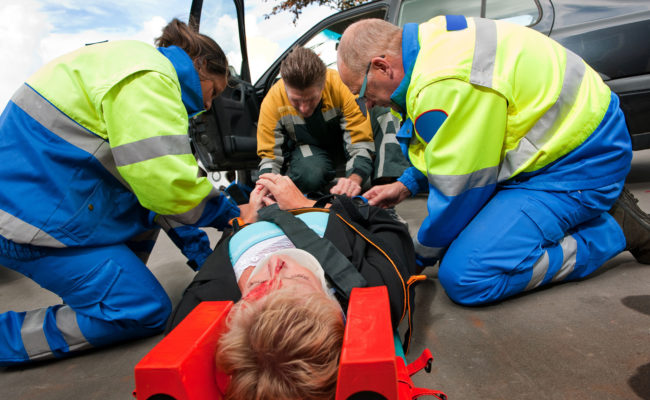
First help training enhances hands-on handling by furnishing staff members with the skills required to react effectively in emergency situations. Having people learnt first aid within every work environment can save lives during critical moments. Programs range from standard emergency treatment courses to specialized qualifications like CPR training and psychological health very first aid.
The Importance of Guidebook Handling Training
1. Recognizing Guidebook Dealing With Risks
Every organization encounters distinct risks connected with manual handling tasks. Common injuries include strains, sprains, and back injuries resulting from inaccurate training techniques or overexertion. By understanding these risks through devoted training sessions, employees can learn how to minimize them effectively.
2. Training Strategies for Safe Lifting
Effective manual handling training entails training correct lifting techniques such as:
- Keeping the load near the body Bending at the knees as opposed to the waist Maintaining a secure base for balance Asking for aid when needed
These strategies are not merely pointers; they are essential practices that can substantially decrease injury rates.
The Function of Emergency treatment Training in the Workplace
1. What is First Help Training?
First help training includes a range of abilities made to supply instant help throughout medical emergencies till professional clinical help arrives. It includes carrying out mouth-to-mouth resuscitation, managing blood loss, treating shock, and resolving numerous injuries or illnesses.

2. Types of Emergency Treatment Courses Available
Organizations can select from numerous emergency treatment courses tailored to their specific needs:
- Basic Emergency treatment Courses: Covering fundamental abilities ideal for all employees. Corporate First Aid Training: Personalized programs concentrating on industry-specific scenarios. Online Emergency treatment Course: Versatile discovering options that permit employees to educate at their own pace. Childcare Emergency treatment Course: Specialized for those collaborating with children.
The Benefits of Workplace Emergency Treatment Training
1. Enhanced Staff Member Confidence
Having employee learnt emergency treatment improves confidence within the office. Workers feel empowered knowing they can act decisively throughout emergencies.
2. Enhanced Group Cohesion
First help training often includes team activities that foster team effort and communication among Occupational health and safety participants. This common experience improves camaraderie within teams.
CPR Training: A Lifesaving Skill
1. Understanding Cardiopulmonary Resuscitation (MOUTH-TO-MOUTH RESUSCITATION)
CPR is an important ability that helps preserve blood circulation to essential body organs throughout heart attack circumstances. Reliable mouth-to-mouth resuscitation can double or even triple a person's opportunity of survival prior to emergency services arrive.
2. Just How CPR Training is Conducted
Training normally involves both theoretical understanding and sensible exercises using mannequins:
- Learning about heart disease and indications of cardiac arrest. Practicing breast compressions and rescue breaths.
Companies frequently partner with certified organizations to guarantee top notch instruction.

Mental Health Emergency treatment: Addressing Psychological Well-being
1. The Requirement for Mental Health And Wellness Understanding in Workplaces
Mental http://trentonwlmq102.almoheet-travel.com/online-first-aid-courses-find-out-life-saving-skills-at-your-own-speed health and wellness problems have actually become increasingly common within work environments due to aspects such as high tension levels or exhaustion. Mental health first aid furnishes employees with abilities to recognize signs of distress in themselves or colleagues.
2. Elements of Mental Health Emergency Treatment Training
Training consists of discovering typical mental health conditions, just how to approach somebody in requirement, giving initial support, and guiding them towards specialist assistance if necessary.
Implementing Comprehensive Corporate Emergency treatment Training Programs
1. Analyzing Office Requirements for Emergency Treatment Training
Before implementing a corporate first aid training program, companies should assess their specific requirements based on factors like market risks and staff member demographics.
2. Developing an Effective Training Schedule
A well-planned schedule guarantees maximum participation while lessening disturbance to everyday operations:
|Day|Time|Training course Kind|| -----|------|----------------------------------|| Mon|9 AM|Standard First Aid|| Tue|10 AM|CPR Training|| Wed|11 AM|Mental Health First Aid|| Thu|3 PM|Advanced Handbook Managing|
Online vs In-Person First Aid Courses: Pros & Cons
1. Benefits of Online First Aid Courses
- Flexibility: Staff members can educate at their own pace. Accessibility: Ideal for remote workers or those with hectic schedules.
2. Disadvantages
- Lack of hands-on practice may restrict ability retention.
3 Benefits and Drawbacks Of In-Person Courses
Advantages
- Hands-on experience enhances learning.
Disadvantages
- Scheduling conflicts might arise.
FAQs Concerning Manual Handling and First Aid Training
Q1: What is consisted of in standard emergency treatment courses?
A1: Standard first aid courses typically cover necessary skills such as injury treatment, CPR fundamentals, choking relief methods, and recognizing emergency situation situations.
Q2: How often ought to team members rejuvenate their first aid certification?
A2: It's suggested that people freshen their accreditation every two years to remain updated on ideal practices and any type of modifications in protocols.
Q3: Are online first aid courses recognized by employers?
A3: Yes! Several on-line training courses are accredited by recognized companies; however, it's necessary to verify this beforehand.
Q4: What should I do if I witness somebody experiencing a heart attack?
A4: Call emergency solutions right away! Begin CPR if you're trained till assistance gets here-- every 2nd counts!
Q5: Can I combine different types of first aid training?
A5: Definitely! Lots of organizations supply detailed packages that include fundamental emergency treatment along with specialized subjects like mental wellness recognition or child care safety.
Q6: Is manual handling training mandatory?
A6: Relying on your sector's guidelines, it may be mandated by regulation; always check regional guidelines!
Conclusion
Building a much healthier labor force through efficient manual handling and extensive emergency treatment training programs is a financial investment that pays returns in worker safety, spirits, performance, and general business online reputation. By focusing on both physical safety measures through proper lifting techniques along with furnishing personnel with lifesaving skills by means of first-aid education and learning-- consisting of mouth-to-mouth resuscitation qualification-- companies produce an environment where staff members really feel valued cared for.
The assimilation of these essential trainings promotes not just individual health but also cultivates a collaborative culture among staff member-- a win-win situation! Eventually investing time right into creating these expertises leads toward promoting resilience within teams while contributing favorably in the direction of organizational growth long-lasting!